


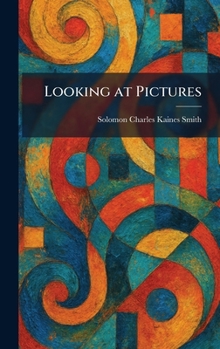
Looking at Pictures

Select Format
Select Condition 
Book Overview
"Looking at Pictures" is a comprehensive and accessible guide to the appreciation of fine art, written by the distinguished art historian and curator Solomon Charles Kaines Smith. Designed for both the novice enthusiast and the seasoned gallery visitor, this work breaks down the complexities of artistic interpretation, offering practical advice on how to engage with paintings beyond a superficial level.
The author explores the fundamental elements that constitute a masterpiece, including composition, color, and technique, while contextualizing these features within the broader evolution of European art history. By demystifying the intentions of the artist and the historical circumstances of creation, Smith empowers readers to develop their own critical eye and a deeper emotional connection to the visual arts.
With its insightful analysis and clear, engaging prose, "Looking at Pictures" remains a valuable resource for anyone seeking to enhance their understanding of the world's great galleries. It serves as an enduring testament to the importance of art education and the lifelong joy of visual discovery.
This work has been selected by scholars as being culturally important, and is part of the knowledge base of civilization as we know it. This work was reproduced from the original artifact, and remains as true to the original work as possible. Therefore, you may see the original copyright references, library stamps (as most of these works have been housed in our most important libraries around the world), and other notations in the work.
This work is in the public domain in the United States of America, and possibly other nations. Within the United States, you may freely copy and distribute this work, as no entity (individual or corporate) has a copyright on the body of the work.
As a reproduction of a historical artifact, this work may contain missing or blurred pages, poor pictures, errant marks, etc. Scholars believe, and we concur, that this work is important enough to be preserved, reproduced, and made generally available to the public. We appreciate your support of the preservation process, and thank you for being an important part of keeping this knowledge alive and relevant.
Customer Reviews
ThriftBooks ® and the ThriftBooks ® logo are registered trademarks of Thrift Books Global, LLC
